
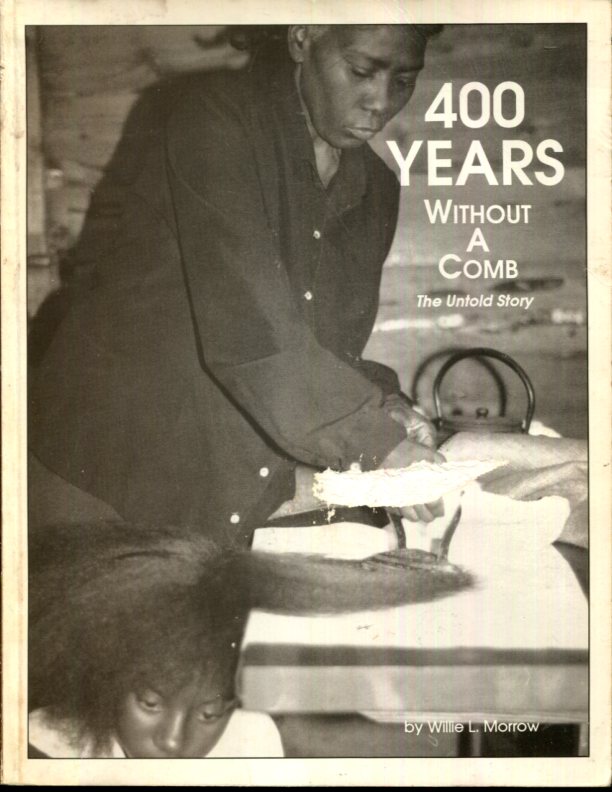
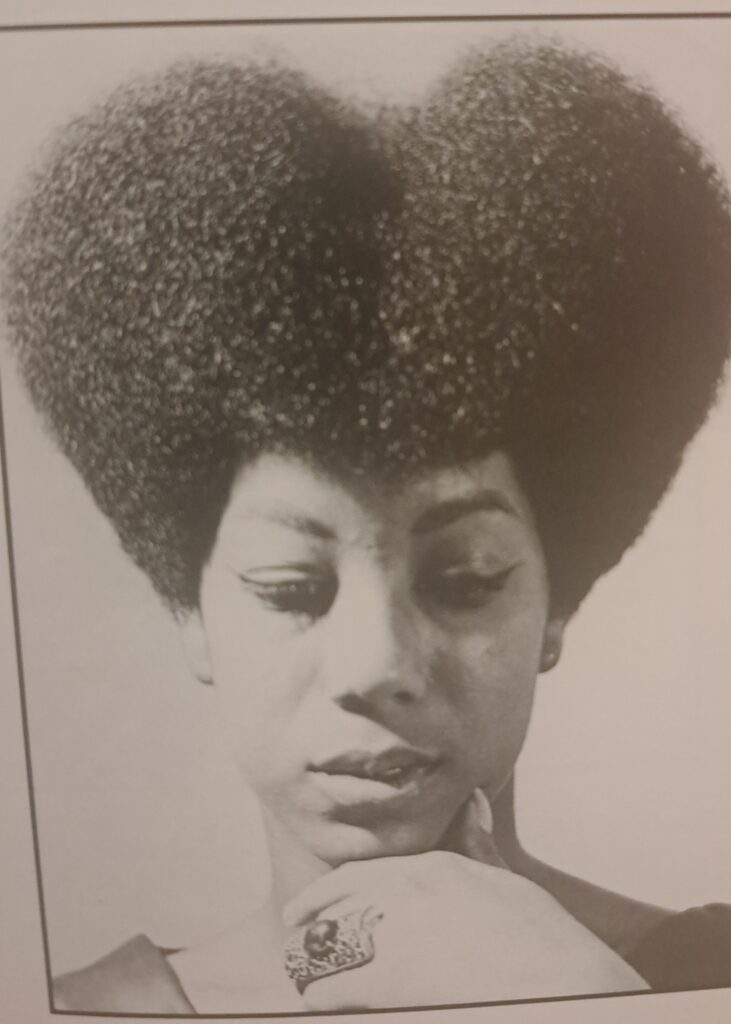
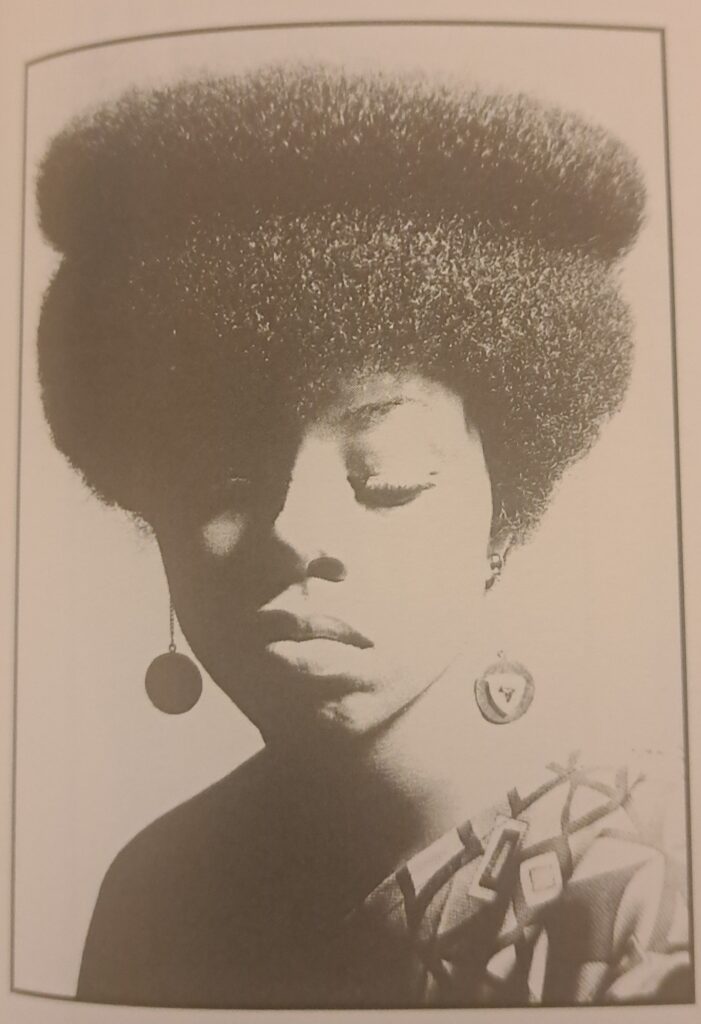
My latest read from my parents’ vast library of Black literature is a nonfiction book called 400 Years Without a Comb: The Untold Story by Willie L. Morrow. As you can probably guess, it’s about the history of African-American hair, from the time before the transatlantic slave trade, up through modern day- well, modern day when the book was originally published, which was the nineties. This book really got me thinking about the significance of the way we think about, care for, and present our hair, and how it’s been impacted by the hardships Black Americans endured. Here are some of my thoughts and my biggest takeaways from the book.
The first couple of chapters depict the beautiful and intricate hairstyles that our African ancestors wore. We didn’t used to try and whip our hair into something it’s not; instead, we embraced it. We wore beautiful, intricate hairstyles that “incorporated the natural matting tendencies of the hair to create the design.”
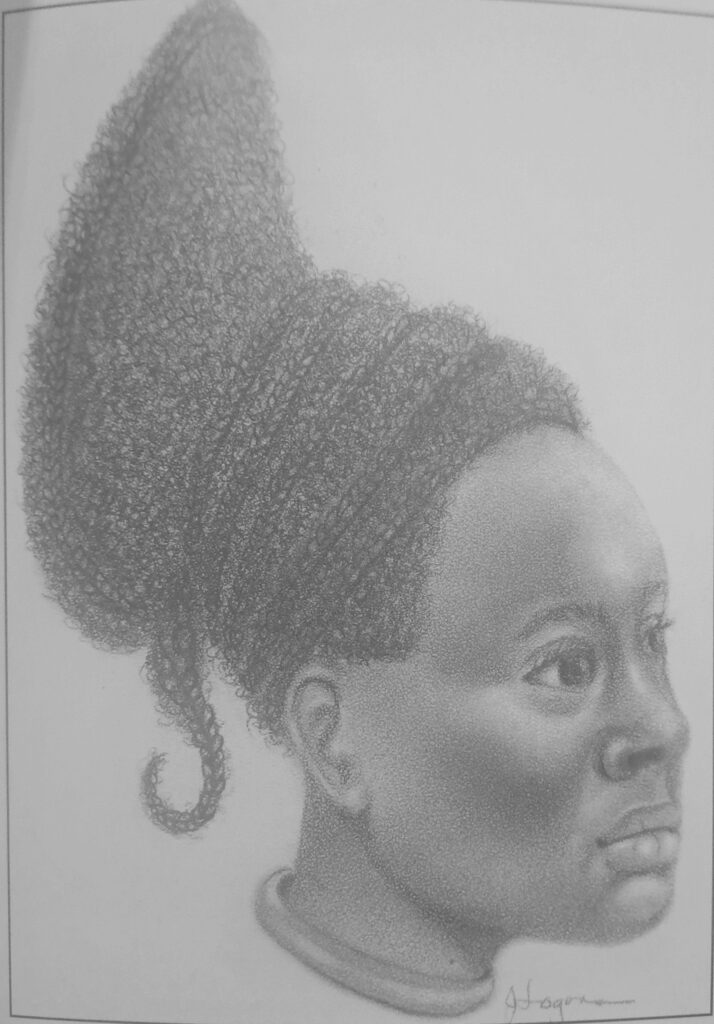
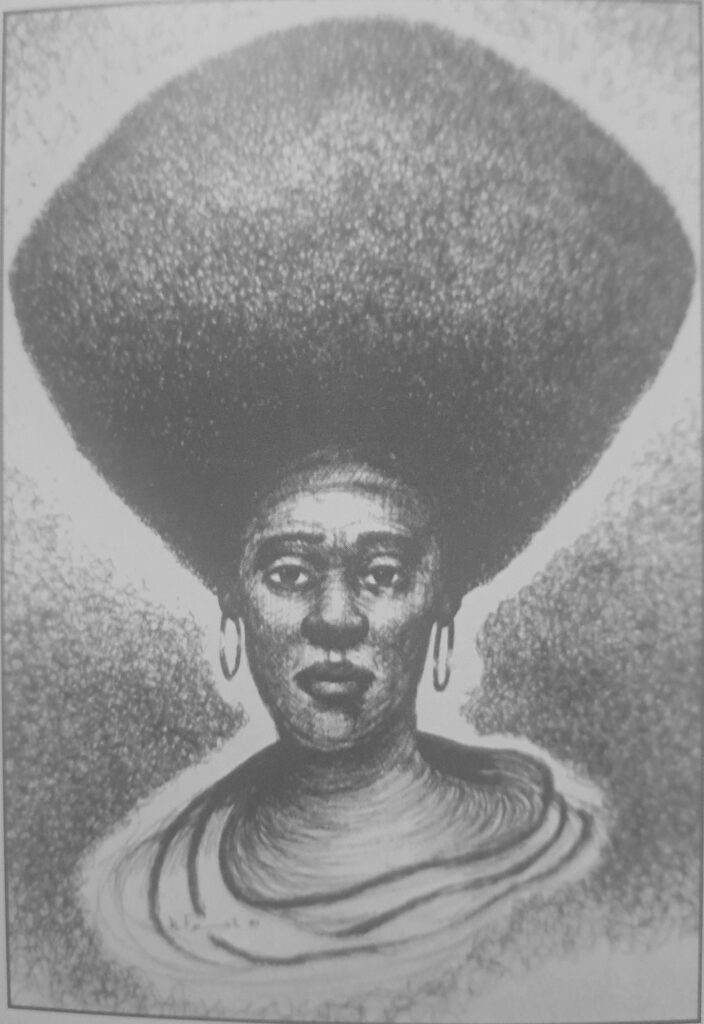
Above on the right is an example of a wig that was made “using a frame of flexible pieces of wood with hair affixed to it.” This was the predecessor to Afro wigs that would show up later, in the 1960s.I’m always so amazed at the creativity and the passion with which Africans have always approached hair.
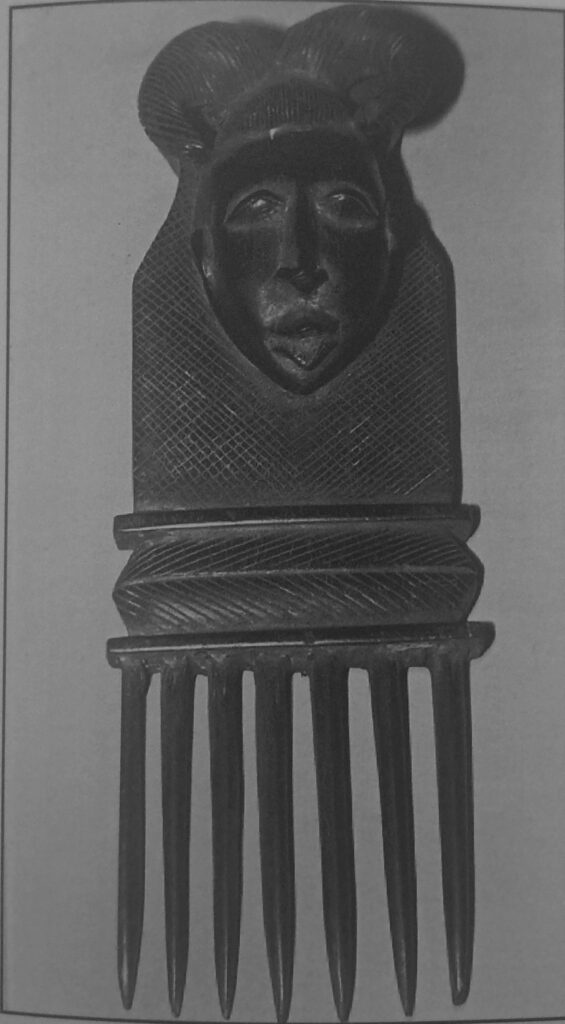
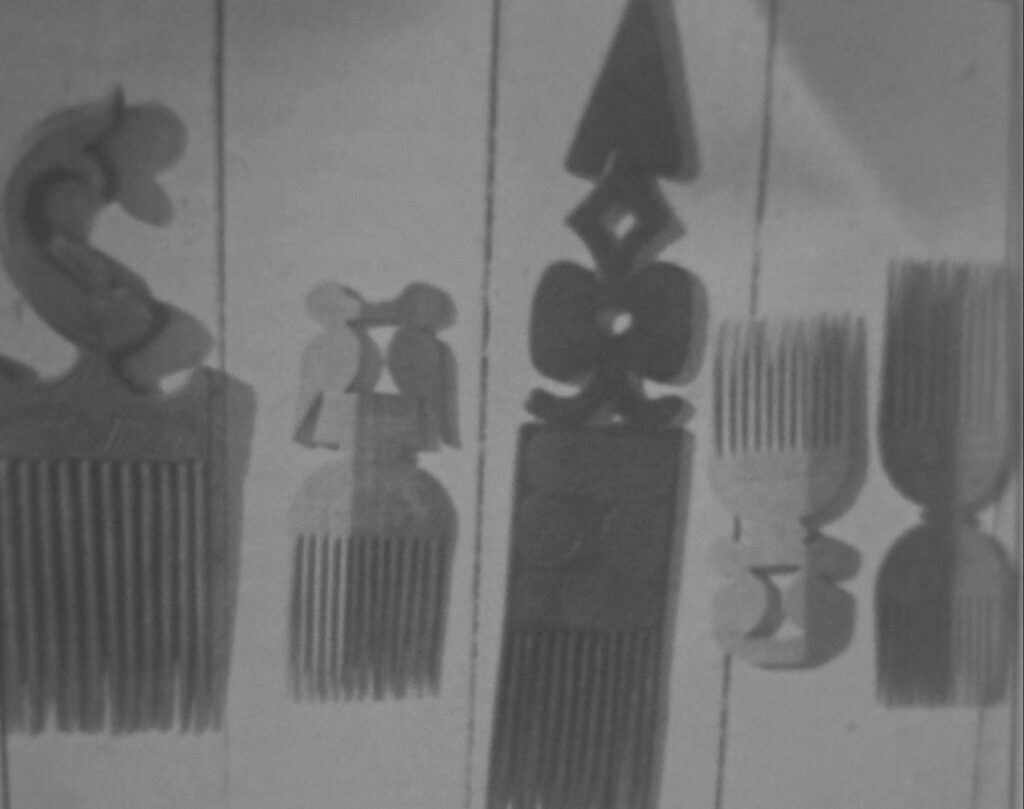
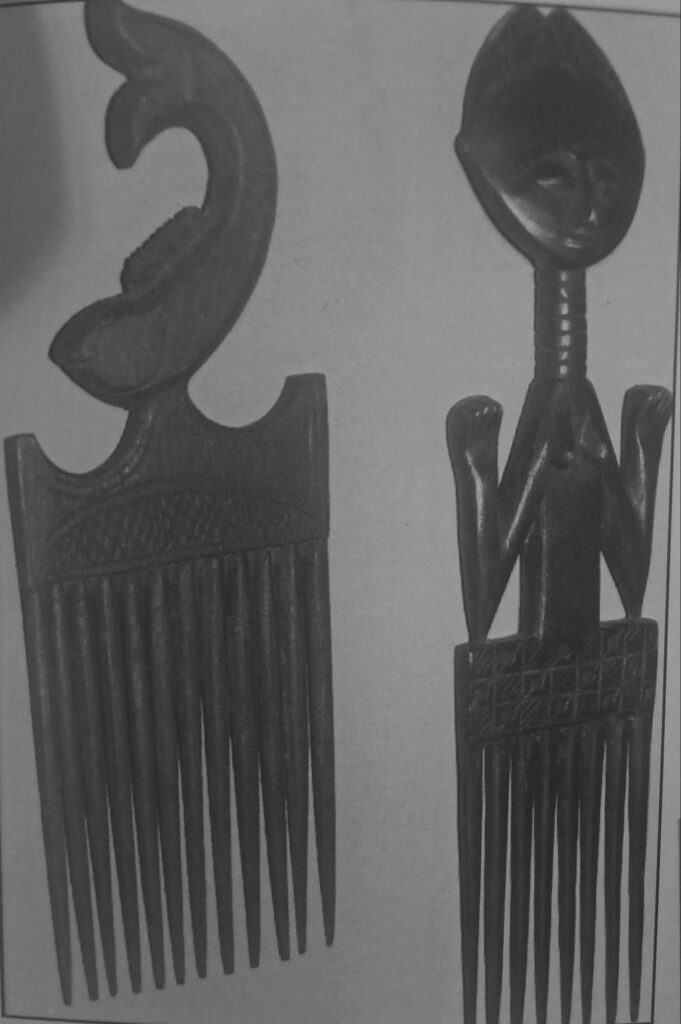
Not only did we take pride in how we adorned our hair, we also took such care in the tools we used to style it. Rather than simply being another everyday item, like they are now, combs were of huge personal significance. They were handmade, carefully crafted from wood or ivory. They had to be smooth enough to avoid snagging the hair, with rounded teeth to avoid harming the scalp, and the handles had to be strong enough to pull through tangled hair without snapping. They were decorated with carvings, and the design on someone’s comb could tell you a lot about them- like their gender, age, societal status, family, and more. The carvings depicted all sorts of different images. I think the difference between those deeply personal, intricate combs and the cheap plastic ones we pick up at the beauty supply is kinda symbolic, in a way, of how our relationship to our hair has changed.
I also got to thinking about why our hair is the way it is. I already knew, of course, that the reason Africans and descendants of Africans have dark skin is because it protects us from the sun, which is really important living in Africa. But what I never realized is that our hair is made to give us protection also. Afro-textured hair is so unique, and we are really the only race that has it. Our hair is densely coiled to protect our scalps, with their sensitive skin, from the harsh sun. Our hair, like our skin, is a beautiful and unique gift made specially for us.
The chapter that depicts the harrowing journey enslaved Africans were forced on from Africa to the Americas is a brutal reminder of the horrors that our ancestors endured. But it focuses, especially, on the impact this trauma had on their hair. The first page of this chapter explains that because many people in Africa in that time “wore little more than a loincloth,” the slave traders would grab onto their hair, as there was nothing else to grab onto. I don’t know the background on this specific statement, but assuming it’s true, it demonstrates how the degradation of Afro-textured hair was part of the dehumanization of Africans from the very beginning.
When considering the brutal journey, and the densely crowded and unhygienic conditions people were forced to endure, I’ve never really thought about how that would impact hair specifically. How people had scalp conditions and lice and absolutely no way to care for themselves, let alone their hair. And on the other end of the journey, things were no better. Along with the challenges they faced during the journey, many also found their hair dry, brittle, and breaking off from long days spent working in the hot sun. Completely removed from the tools and techniques of those who came before them, enslaved Black people often resorted to covering the hair with rags to hide it, or simply cutting it off. It took so many years before Black Americans started to create new techniques, using the few resources we had to figure out how to “tame” our hair.
The pervasive reach of racist ideals meant that everything about Black people was seen as dirty, wrong and undesirable, including our hair. The trauma inflicted on Black hair by the slave trade and the taxing nature of life as a slave meant that we, too, viewed our hair as a burden. This mindset has persisted and I sometimes wonder if we will ever be fully rid of it.
“Prior to the 1960s, African Americans had always worn hairstyles that expressed their desire to imitate non-African American society.“
The book also discusses the Black hair care industry that blossomed, starting with kitchen beauticians and growing to thriving beauty and barber shop businesses. It highlights innovators like Madame C.J. Walker in the hair care space and how Black entrepreneurs built up booming businesses caring for Black hair. It talks about the products we innovated to care for our hair. It explains how, for many generations of Black Americans, straight hair meant access. For example, in the 1950s, many musicians permed their hair in order to have a more acceptable appearance to white audiences so that they could get gigs. Straightening one’s hair made them you more “respectable” and acceptable to white folks in every context.
“The integration of schools throughout the country in the 1950s increased the awareness of the young African American student to the uniqueness of his hair and skin. Instead of improving his vision of life as it should have, it may have seriously damaged his self-esteem, continuing the cultivation of the inferior seed.”
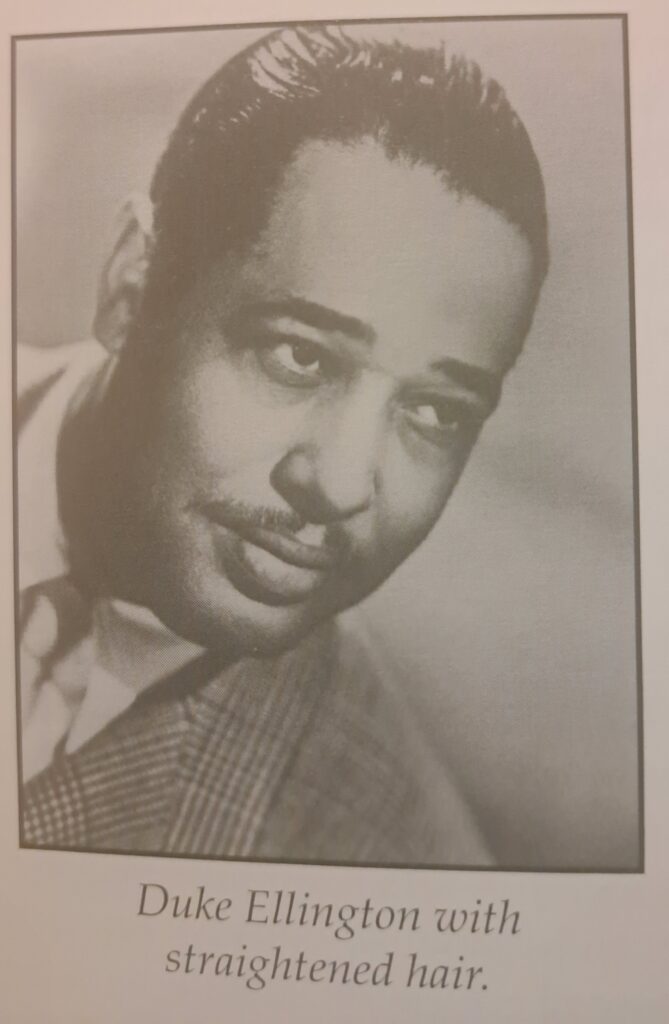
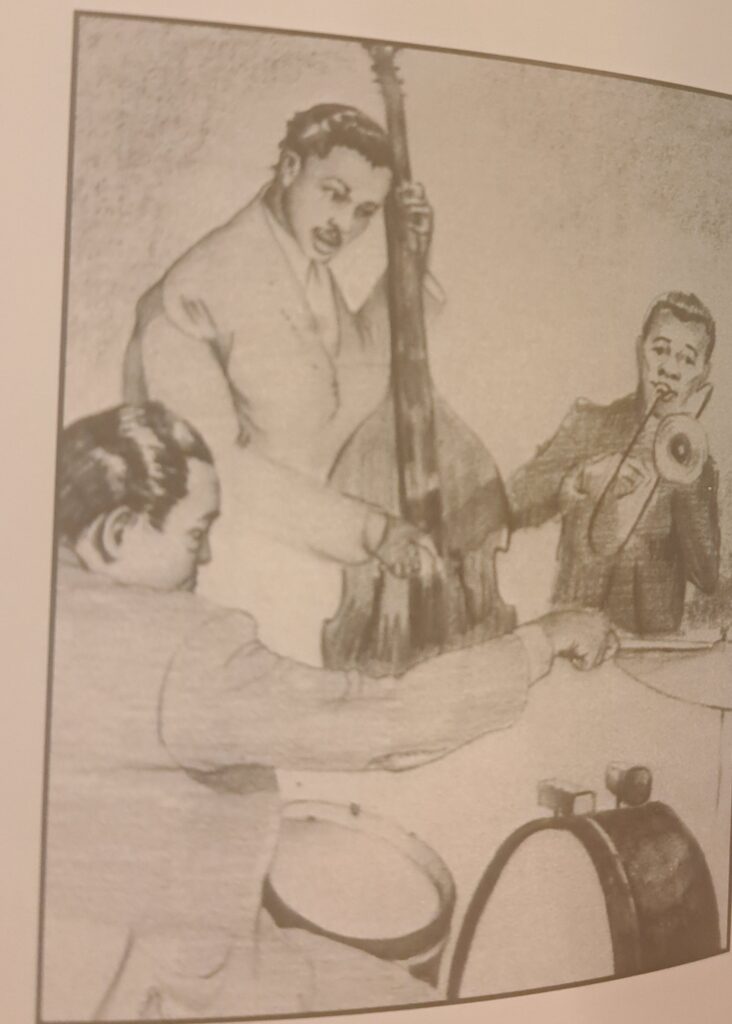
400 Years Without a Comb also discussed the impact that the Civil Rights Movement had on how Black people wore their hair. During this time, ideals of “Black Power” and “Black is Beautiful” took the community by storm. This was the time when African-Americans found the comb of our motherland, as the author put it. It wasn’t the end all be all, though, as this natural hair movement faded with time and in the 80s and 90s straight hairstyles reclaimed dominance in the AA community over Afros. And even during the era where the Afro was trendy, many didn’t want to wear it or want their kids to wear it, as it was seen as a rebellious and non-conformist style.
“When the so-called ‘Afro’, or ‘Natural’, look took its rightful place in the minds of African Americans in the 1960s. It was called a fad that would not, or could not, last more than a year or so. No one understood the deep significance of the new hair style- freedom from the influence of ‘the masters’, and the return of their long forgotten heritage.”
“Ridiculous charges and criticisms sprang up regarding the Afro: it would encourage lice, the hair would fall out, premature baldness would result from piling the hair atop the head, etc.“
This idea is so mind-blowing to me, because it’s literally just letting your hair exist as is. I’ve experienced this throughout my life, as well, where people assume that because you *dare* wear your hair the way it grows out of your scalp, you must be trying to make some sort of statement. But sometimes my hair is just my hair. I often get compliments on my Afro and I think about the fact that I didn’t necessarily take the time to style it into an Afro (half the time it’s just an old twist out I picked out lol!), it’s just my hair. But the hair on my head is also a symbol that has so many different connotations to different people. It can never just be my hair.
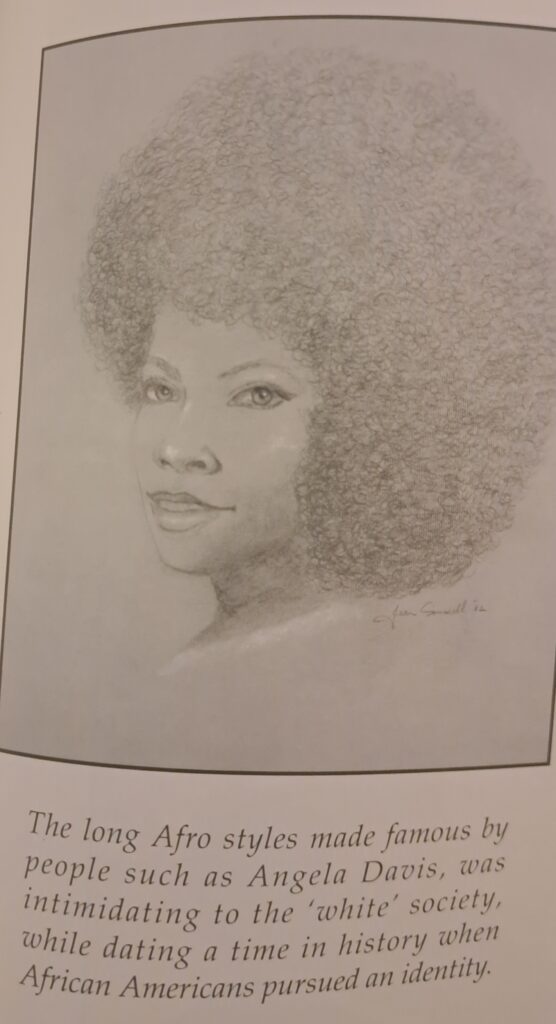
“The Afro indirectly announced to the dominant society that it would no longer be the unquestioned standard that African America would use to judge itself.”
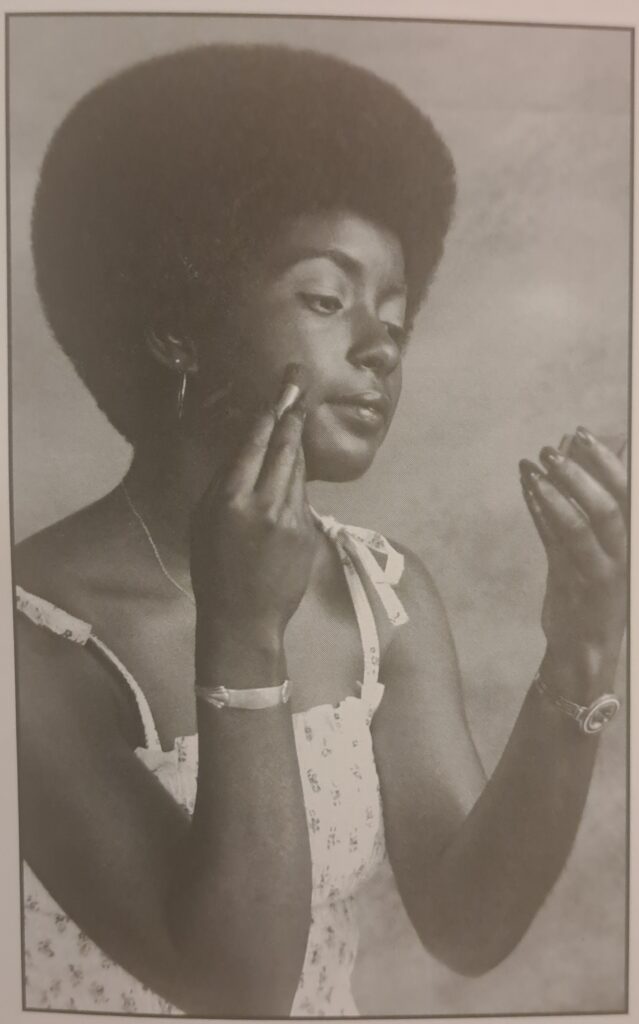
The book shows how, after all the trauma endured by Black people in this country, we had to start anew when it came to taking care of our hair, having lost much of the knowledge of those who came before us. The loss of the comb was literally a part of the trauma surrounding Black hair, but also symbolized the greater loss of dignity in how we present ourselves. Lacking the specialized tools we had curated to care for our hair, we were forced to make do with nothing at first, and later with leftover, used tools that weren’t properly suited for our hair. We had to literally start from scratch, and rebuild our sense of hair identity. We rebuilt it around the white standard of beauty (straight hair), and then again around our natural hair during the 60s and 70s, and then largely went back to straight hair as the standard in the 80s, 90s, and 2000s. In the 2010s there was another wave of natural hair enthusiasm, which is the era I grew up in and was involved in. I think we’re collectively shifting back towards straight hair, though- with the emphasis on this “unmanageability” of our hair. Afro-textured hair is only “unmanageable” if you’re trying to make it into something it’s not, but that’s a whole other discussion.
I also want to stress that there’s nothing inherently wrong with wanting to wear your hair straight, if it’s just the style that you like. I absolutely believe we should be able to do whatever we want with our hair and non-black people should be quiet about it. But it’s also important to remember that there is societal pressure to straighten our hair and none of us are impervious to it. It’s important that we unpack the anti-Blackness that is all around us, and reject the narrative that straight hair is more professional, neater, cleaner, or more acceptable.
I think we’re still building and rebuilding our relationship to our hair to this very day. I think it is important to remember that our hair is a blessing, not a curse. Our pride in our unique hair was stripped from us, but we can (and do!) reclaim it, and choose to love ourselves even though society doesn’t want us to. It’s very challenging, and very personal. I’ve been natural for most of my life, but when it comes to actual hair care, I don’t always have the best advice for new naturals because I only know what works for my own hair. But I think it’s a worthy endeavor, and I hope that you are able to be at peace with yourself and the beautiful gift that is your Blackness and your kinky hair.
“Hair has always been a permanent part of the sense of self-esteem for African’s forefathers, contributing to an estimation of his value as a healthy, attractive human being. Although for many years slavery eliminated the ability to groom, the instinct of the hair’s importance remained with the man.“
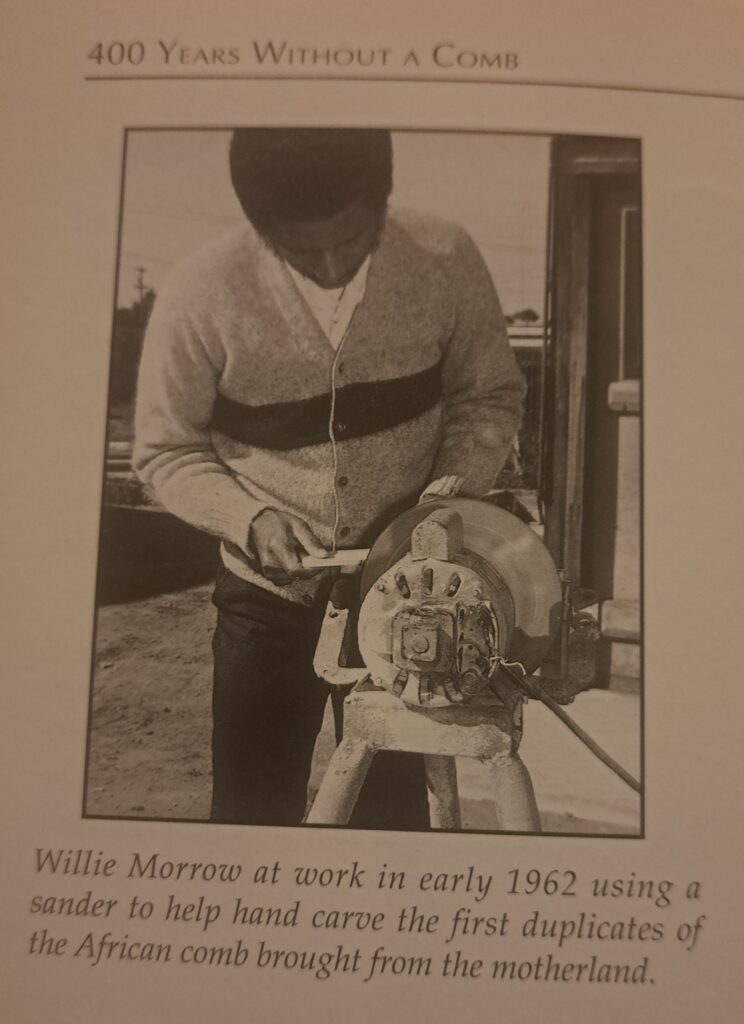
I really enjoyed this read, and learned a lot about the history of African-American hair. The irony is not lost on me that the author of the book talks about how he created the cold curl technique, which is far as I can tell is essentially a texturizer. I don’t think this is bad, necessarily, but I find it kind of darkly funny to include after writing a whole book about how we should embrace our natural texture. I used to have a texturizer myself and I definitely think we tell ourselves some lies about “manageability” when what we really want is a more socially acceptable curl pattern. Anyway, it’s overall a great book written by someone in the hair care industry who consulted with a lot of other hair care specialists and others in the black community. The book goes into depth on a lot of things I didn’t even cover here and I definitely recommend it for anyone interested in Black history or hair care!